
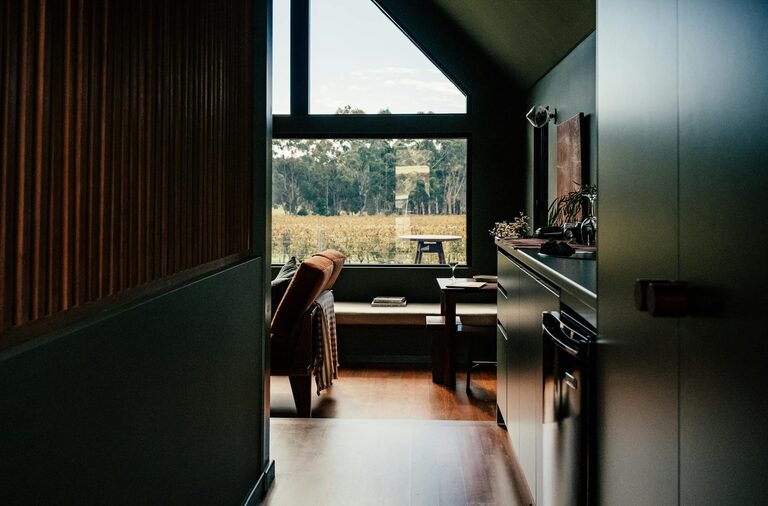
A dark room can feel cramped, gloomy, and uninspiring. Whether it’s due to limited natural light, small windows, or heavy curtains, a lack of brightness impacts the overall mood and comfort of your home. Luckily, you don’t have to live with a shadowy room. With a few thoughtful adjustments, you can bring light and life into even the darkest corners.
In this post, we’ll explore practical and creative ways to brighten a dark room quickly and effectively. These tips will help you transform your space into a welcoming and vibrant area.
1. Maximize Natural Light
Even if your room has small or partially blocked windows, you can enhance the existing natural light.
Remove or Replace Heavy Curtains
Heavy drapes or dark, thick curtains can block daylight. Swap them out for sheer or light-colored curtains that allow sunlight to pass through while maintaining privacy.
Keep Windows Clean
Dirt or dust on windows reduces the amount of sunlight entering. Regularly clean your windows inside and out to maximize brightness.
Use Mirrors Strategically
Mirrors reflect light, effectively doubling the impact of any natural or artificial illumination. Position a large mirror opposite or adjacent to a window to bounce sunlight around the room.
2. Choose Light Colors for Walls and Furniture
Color plays a huge role in how bright a room feels. Dark colors absorb light, while lighter shades reflect it.
Paint Walls in Soft, Light Shades
Opt for whites, creams, light grays, or pastels to help walls reflect the available light. Even if you prefer brighter colors, consider using them as accents rather than the main wall color.
Select Light-Colored Furniture
Furniture in light woods, white finishes, or pastel tones can brighten the room significantly. Avoid bulky, dark furnishings that weigh down the space visually.
3. Improve Artificial Lighting
Good lighting solutions compensate for low natural light and enhance your room’s atmosphere day and night.
Layer Your Lighting
Use a combination of ambient, task, and accent lighting:
– Ambient lighting: Overhead ceiling lights or flush mounts provide general room illumination.
– Task lighting: Table lamps, floor lamps, or under-cabinet lights brighten specific areas for reading or working.
– Accent lighting: Spotlights or LED strips highlight architectural features or decor, adding interest and depth.
Choose Bulbs with Higher Lumens
Opt for LED bulbs that produce bright, natural light (look for bulbs labeled “daylight” or 5000K–6500K color temperature). They consume less energy and shine brighter than older incandescent bulbs.
Position Lights Thoughtfully
Avoid harsh shadows by placing lamps in corners or near dark areas. Using multiple light sources rather than one overhead fixture creates a warm, evenly lit space.
4. Add Reflective and Transparent Decor
Incorporating certain materials can help spread light throughout the room.
Glass and Acrylic Furniture
Coffee tables, side tables, or shelving units made of glass or acrylic take up less visual space and let light pass through, making the area feel airier.
Metallic and Glossy Accents
Decor pieces with shiny finishes, like gold, silver, or chrome, reflect light and add sparkle. Think picture frames, candle holders, or lamps with metallic bases.
5. Minimize Clutter and Heavy Fabrics
A cluttered or overly decorated room can feel darker and more closed in.
Declutter Surfaces
Keep shelves, tables, and countertops tidy. Open space allows light to circulate more freely.
Replace Heavy Rugs and Throws
Thick, dark textiles absorb light. Swap out heavy rugs for lighter or thinner versions. Consider throws and cushions in brighter colors or lighter fabrics.
6. Bring in Plants That Thrive in Low Light
While plants might not brighten a room physically, they can uplift the mood and make the space feel fresher and more vibrant.
Choose Low-Light Plants
Spider plants, snake plants, and pothos thrive in shady spots. Place pots near light sources or windows to enhance the connection to nature.
7. Utilize Window Treatments That Add Interest
If privacy or sun glare is a concern, window coverings don’t have to block light completely.
Use Blinds or Shades That Diffuse Light
Light-filtering blinds or shades soften incoming daylight without darkening the room.
Add Sheer Curtains Layered Under Opaque Ones
This setup provides flexibility: keep sheer curtains closed during the day for brightness, and draw heavier curtains at night.
8. Consider Structural Changes for the Long Term
If you’re open to renovations, some changes can drastically improve natural brightness.
Install Additional or Larger Windows
If possible, add windows or enlarge existing ones to bring in more sunlight.
Use Glass Doors or Open Floor Plans
Replacing solid doors with glass ones or creating an open layout connects rooms and allows light to flow freely.
—
Final Thoughts
Brightening a dark room is about balancing light sources, colors, and design choices. Start with small, affordable changes like swapping curtains or adding mirrors. Gradually incorporate lighting upgrades and reflective decor to create a warm, inviting space. With these quick ideas, your dark room can become a bright and cheerful retreat in no time.
Remember, bright rooms don’t have to be boring—they can be cozy, stylish, and full of personality!
