
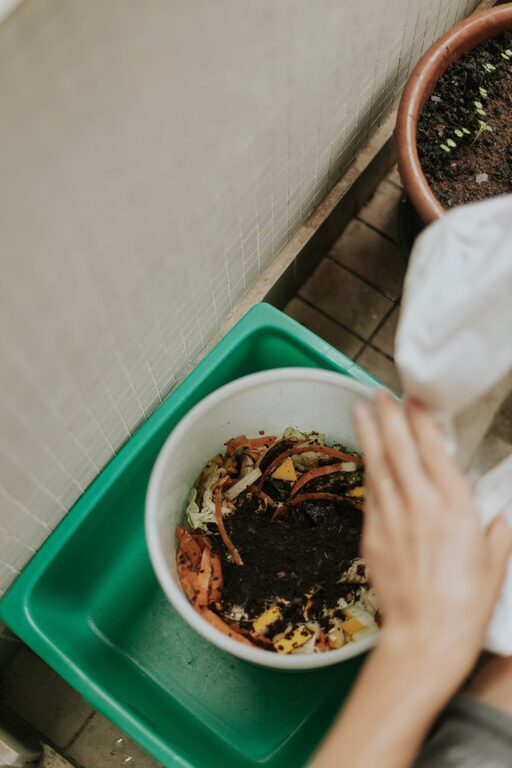
Composting is a rewarding and environmentally friendly way to reduce kitchen waste and enrich your garden soil. If you’re new to composting, starting can seem overwhelming—but it doesn’t have to be! This post will guide you through beginner-friendly tips to help you create your own compost at home with ease.
What is Composting?
Composting is the natural process of recycling organic matter, such as food scraps and yard waste, into a rich soil amendment called compost. This “black gold” improves soil health by adding nutrients and enhancing moisture retention, which benefits plants and reduces the need for chemical fertilizers.
Why Compost at Home?
– Reduce landfill waste: Food scraps and yard waste make up a large portion of household trash. Composting diverts this waste from landfills.
– Save money: Make your own fertilizer instead of buying commercial products.
– Support plant growth: Compost improves soil structure, making it easier for roots to absorb nutrients and water.
– Help the environment: Composting lowers greenhouse gas emissions by reducing organic waste in landfills.
Getting Started: What You’ll Need
Setting up a compost system at home is straightforward. Here are the basics:
– Container or Bin: Choose a compost bin suited to your available space. Options include compost tumblers, stationary bins, or simply a designated corner of your garden.
– Kitchen Scraps: Vegetable peelings, fruit scraps, coffee grounds, and eggshells are all great.
– Yard Waste: Grass clippings, leaves, and small twigs add necessary “brown” material.
– Water: Compost needs moisture to break down effectively.
– Air: Oxygen helps speed up decomposition, so mixing your compost regularly is essential.
Choosing the Right Location
Pick a dry, shaded spot for your compost bin or pile near a water source. This helps control moisture and temperature. Make sure it’s easily accessible so you’re more likely to add scraps consistently.
What Can and Can’t Be Composted?
Greens (Nitrogen-rich materials)
– Fruit and vegetable scraps
– Coffee grounds and filters
– Tea bags (non-synthetic)
– Fresh grass clippings
– Plant trimmings
Browns (Carbon-rich materials)
– Dry leaves
– Straw or hay
– Shredded newspaper or cardboard
– Small branches and twigs
– Sawdust from untreated wood
Avoid Composting
– Meat, dairy, and oils (can attract pests)
– Pet waste (can spread disease)
– Diseased plants or weeds that have gone to seed
– Synthetic materials such as plastic or treated paper
How to Build Your Compost Pile
- **Start with Browns:** Place a layer of coarse browns, like twigs or straw, at the bottom for drainage and airflow.
- **Add Greens and Browns Alternately:** Create layers using roughly two parts browns to one part greens. This balance helps the compost break down efficiently.
- **Moisten as You Go:** Each layer should be damp but not soaking wet.
- **Turn the Pile Regularly:** Every 1-2 weeks, mix the compost with a garden fork or compost aerator to add oxygen and speed decomposition.
Tips for Successful Composting
– Chop scraps into small pieces: Smaller pieces break down faster.
– Maintain moisture: Think of a wrung-out sponge; adjust watering if too dry or cover if too wet.
– Be patient: Compost can take anywhere from a few weeks to several months to mature.
– Use a compost thermometer: If you want to monitor temperature, it should reach 130-160°F for efficient breakdown.
– Troubleshoot odors: A healthy compost pile smells earthy. If it smells rotten, add more browns and turn more frequently.
Harvesting and Using Your Compost
Finished compost looks dark and crumbly with an earthy scent. Use it to:
– Enrich garden beds and flower pots
– Top-dress your lawn for nutrients
– Mix with potting soil for indoor plants
Store it in a dry, covered container if not used immediately.
Additional Resources and Products for Beginners
If you want to simplify composting or explore other methods, consider:
– Compost tumblers: Enclosed bins that can be rotated to mix contents easier.
– Worm composting (vermicomposting): Uses worms to break down food waste quickly in indoor bins.
– Compost starters: Products that help jumpstart the microbial activity in your pile.
Final Thoughts
Home composting is a simple way to reduce waste and boost your garden’s health. Starting small and following these beginner tips will set you up for success. Remember, composting is a natural process — there’s no one perfect way, so don’t be afraid to experiment. Happy composting!
—
Feel free to share your composting journey in the comments below!
