
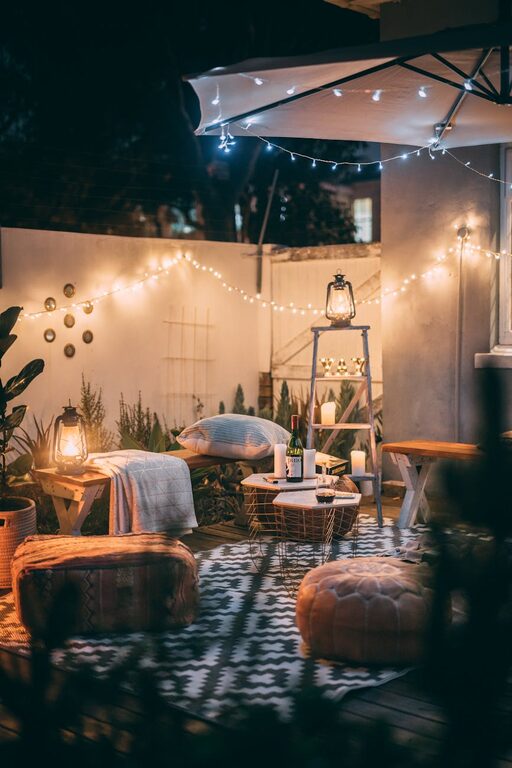
Creating a comfortable atmosphere in your home starts with the right lighting. Proper lighting not only enhances the aesthetic appeal of your space but also influences your mood, productivity, and overall well-being. Whether you’re updating a single room or rethinking your entire home’s lighting strategy, knowing how to choose lights that are both functional and comfortable is essential. In this post, we’ll explore practical tips to help you select the best home lighting for comfort and style.
Understanding the Importance of Comfortable Lighting
Lighting does much more than simply brighten a room. It sets the mood, highlights design features, and affects how you perceive colors and space. Poor lighting can cause eye strain, headaches, and discomfort. Comfortable lighting, on the other hand, feels natural and soothing, supports your daily activities, and makes your home inviting.
Key elements to consider for comfortable lighting include brightness, color temperature, light placement, and adjustability.
Choose the Right Brightness Levels
Brightness is measured in lumens, and selecting the right level depends on the purpose and size of the room.
– General Lighting: For living rooms or bedrooms, aim for a gentle level of brightness, often between 1,500 to 3,000 lumens total per room.
– Task Lighting: Activities like reading or cooking require brighter light in focused areas, around 4,000 lumens but directed appropriately (such as desk lamps or under-cabinet lights).
– Accent Lighting: To highlight artwork or architectural features, lower brightness is suitable, often between 200 to 800 lumens.
When buying bulbs or fixtures, check the lumen rating to ensure adequate but not overwhelming light.
Select Comfortable Color Temperatures
Color temperature affects how light looks and feels. It is measured in Kelvins (K):
– Warm Light (2700–3000K): Produces a cozy, yellowish glow ideal for bedrooms, living rooms, and dining areas.
– Neutral Light (3500–4100K): Offers a balanced white light suitable for kitchens, bathrooms, and workspaces.
– Cool Light (5000K+): Mimics daylight, best for reading areas or task-focused rooms but can feel harsh if overused.
For a comfortable home, prefer warmer temperatures in relaxing spaces and neutral or cooler light where clear visibility is important.
Layer Your Lighting for Versatility
Using multiple layers of light allows you to adjust the ambiance easily:
– Ambient Lighting: The main light source providing overall illumination.
– Task Lighting: Focused light for reading, cooking, or hobbies.
– Accent Lighting: Decorative or highlighting lights for artwork or architectural features.
Combining these layers helps you create balance and flexibility, adapting lighting to varied needs throughout the day.
Consider Lighting Placement and Fixtures
The location of light fixtures impacts comfort greatly.
– Avoid Glare: Position lights to shine downward or shield the bulbs. Lampshades, diffusers, and frosted bulbs can soften harsh light.
– Use Indirect Lighting: Wall sconces, uplights, and recessed lights bounce light off ceilings or walls for a gentle glow.
– Adjustability: Fixtures with dimmers or adjustable arms provide control, letting you set the perfect brightness and angle.
Proper placement reduces eye strain and enhances the room’s mood.
Choose Energy-Efficient and Quality Bulbs
LED bulbs are a popular choice because they consume less energy and last longer than traditional incandescent bulbs. When selecting bulbs:
– Look for CRIs (Color Rendering Index) above 80 for natural color appearance.
– Prefer bulbs with dimming features to adjust brightness.
– Check for flicker-free options to minimize eye strain.
Investing in quality bulbs leads to better lighting comfort and savings on energy bills.
Make Use of Natural Light
Incorporate daylight whenever possible, which is the most comfortable and eye-friendly source. Use curtains, blinds, or sheer fabrics to diffuse sunlight, reducing harsh contrasts. Arrange furniture to maximize window exposure and consider skylights if natural light is limited.
Natural light changes throughout the day, so pairing it with adjustable artificial lighting ensures comfortable illumination at all times.
Personalize Lighting to Your Needs
Everyone’s comfort preferences and lighting needs differ based on activities, eyesight, and mood. Consider these tips:
– Keep a reading lamp near favorite chairs.
– Use night lights or soft lighting near bedrooms for safe movement after dark.
– Experiment with smart lights that can change color temperature and brightness with your schedule.
Listening to your own comfort cues helps tailor lighting to your lifestyle.
Final Thoughts
Choosing comfortable home lighting means balancing brightness, color, placement, and adjustability to suit your space and activities. With layered lighting, quality bulbs, and attention to natural light, you can create an inviting, functional environment that supports relaxation and productivity alike.
Feel free to explore different styles and experiment with dimmers and lampshades to discover what works best for you. Comfortable lighting is an essential part of making your house truly feel like home.
